Your child is always watching: what children learn from the way parents handle conflict
Your child is always watching: what children learn from the way parents handle conflict
A column by Els Steenhagen on the occasion of International Youth Day.
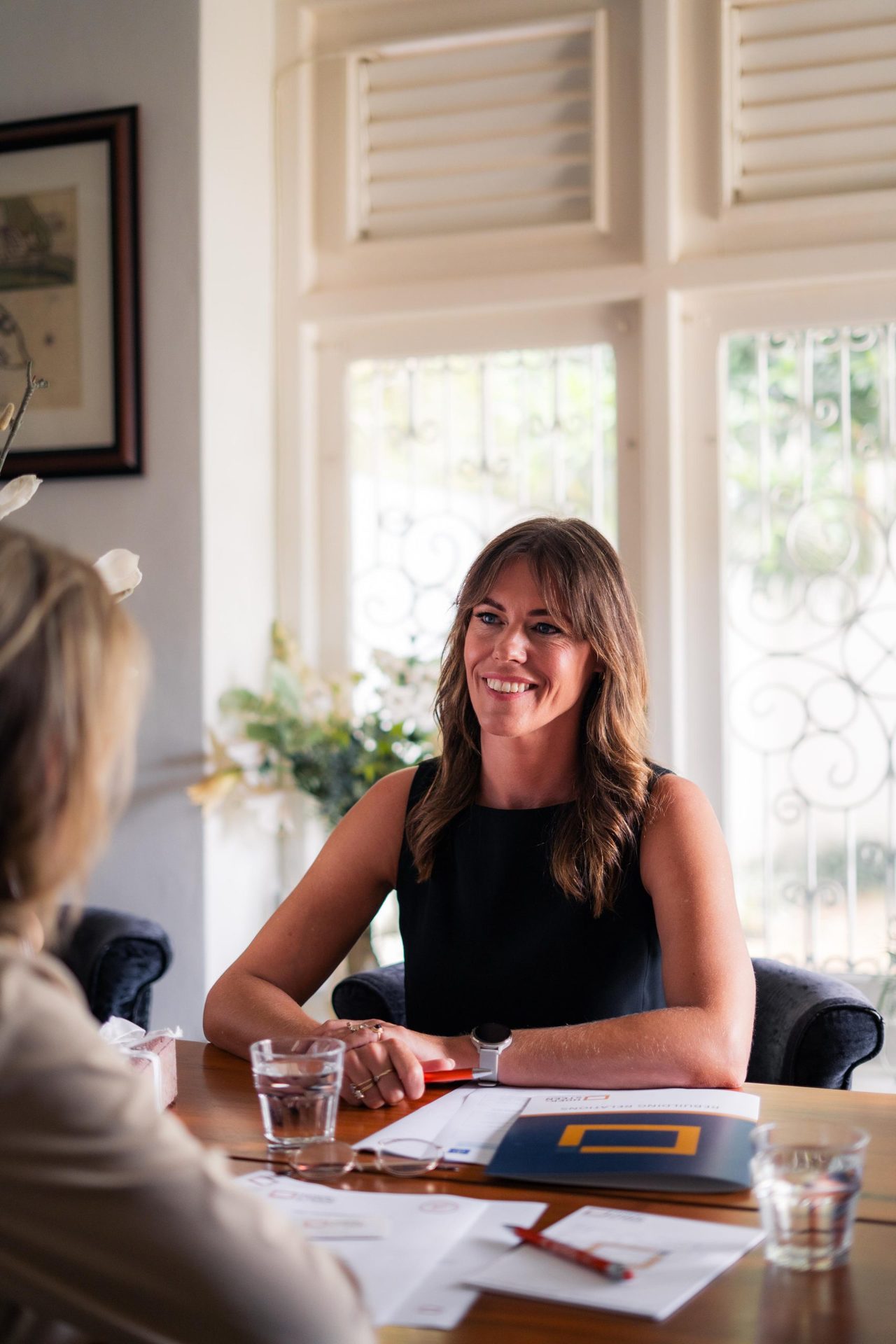
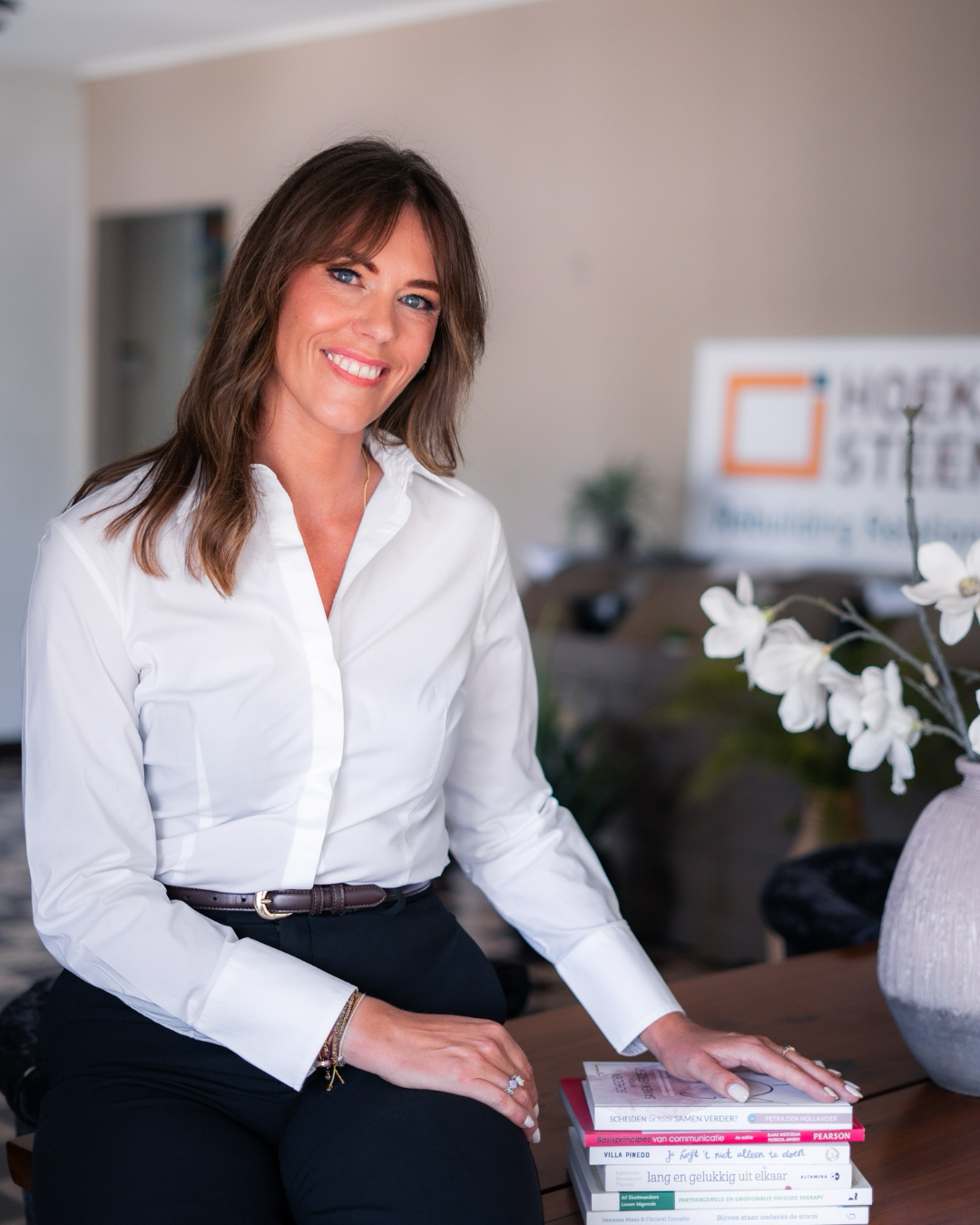 As a mother of three school-aged children, I regularly notice that my work as a mediator also makes me a more mindful mother at home. Especially when parents separate, I see how great an influence their behaviour has on children. Sometimes we are sitting at the dinner table in the evening and I think back to a conversation we had that day. Then I look at my own children and realise once again how closely children observe. How much they see, feel and remember, even when we as adults think they are occupied with entirely different things.
International Youth Day is celebrated on 12 August. Around the world, this day is an opportunity to reflect on the development, opportunities and well-being of young people. This may seem primarily like a subject for schools, governments or youth organisations. But honestly, I think the foundation is laid much closer to home. It is at home that children learn how to deal with emotions, differences of opinion and conflict. This applies every day, but perhaps even more so when parents divorce.
Children and divorce: they are always part of the story
In our practice, we support parents who are separating. During divorce mediation, we discuss care arrangements, a parenting plan, holidays, finances and practical agreements. These are important matters, but what happens bétween those agreements is at least as important. Although children are usually not literally present at our mediation table, they are always there. In their parents' stories, in the concerns that are voiced and in the choices that are made.
Parents almost always say that their children come first. And usually, they sincerely mean it. Yet we see how difficult it can be to hold on to that principle when sadness, anger or disappointment take over. Before you know it, a child is asked to pass on a message, feels responsible for one parent's happiness or tries to ease the tension between them.
Children learn from how parents handle conflict
Children do not only learn from what we say. Above all, children learn from their parents' behaviour, especially during a divorce. They see how parents treat each other when things become difficult. They hear the tone of a telephone conversation, feel the tension during a handover and immediately notice when they feel they have to choose between their parents. But fortunately, they also see when parents choose to continue treating each other with respect, even when they do not always agree.
It is precisely this awareness that I perhaps take home more often as a mother than as a mediator. My work regularly holds up a mirror to me. It reminds me that my children do not only listen to what I say, but above all watch how I live. This applies to every one of us as parents.
The most important example you can set as a parent
Children do not need perfect parents. They need parents who take responsibility for their own emotions and do not burden their child with a conflict that is not theirs. Perhaps this is one of the most important lessons we can pass on to tomorrow's generation. Not that conflicts can be prevented, but that they can be handled respectfully.
A good divorce is therefore not only about agreements on paper. It is also about the example parents set every day. About the message children receive, without it ever being spoken aloud.
On International Youth Day, we therefore reflect not only on the future of young people, but also on our own responsibility as adults. After all, children are shaped not only by what we tell them, but above all by what we show them.
At Hoek & Steen, we see every day just how great that influence is. Respectful cooperation between parents, even after a divorce, gives children something they can build on for the rest of their lives.
And perhaps that is the greatest influence we can have as parents.